How to Leverage the Coexistence of Different Generations in the Workplace
- 24/10/2024
- 3
- Business Success
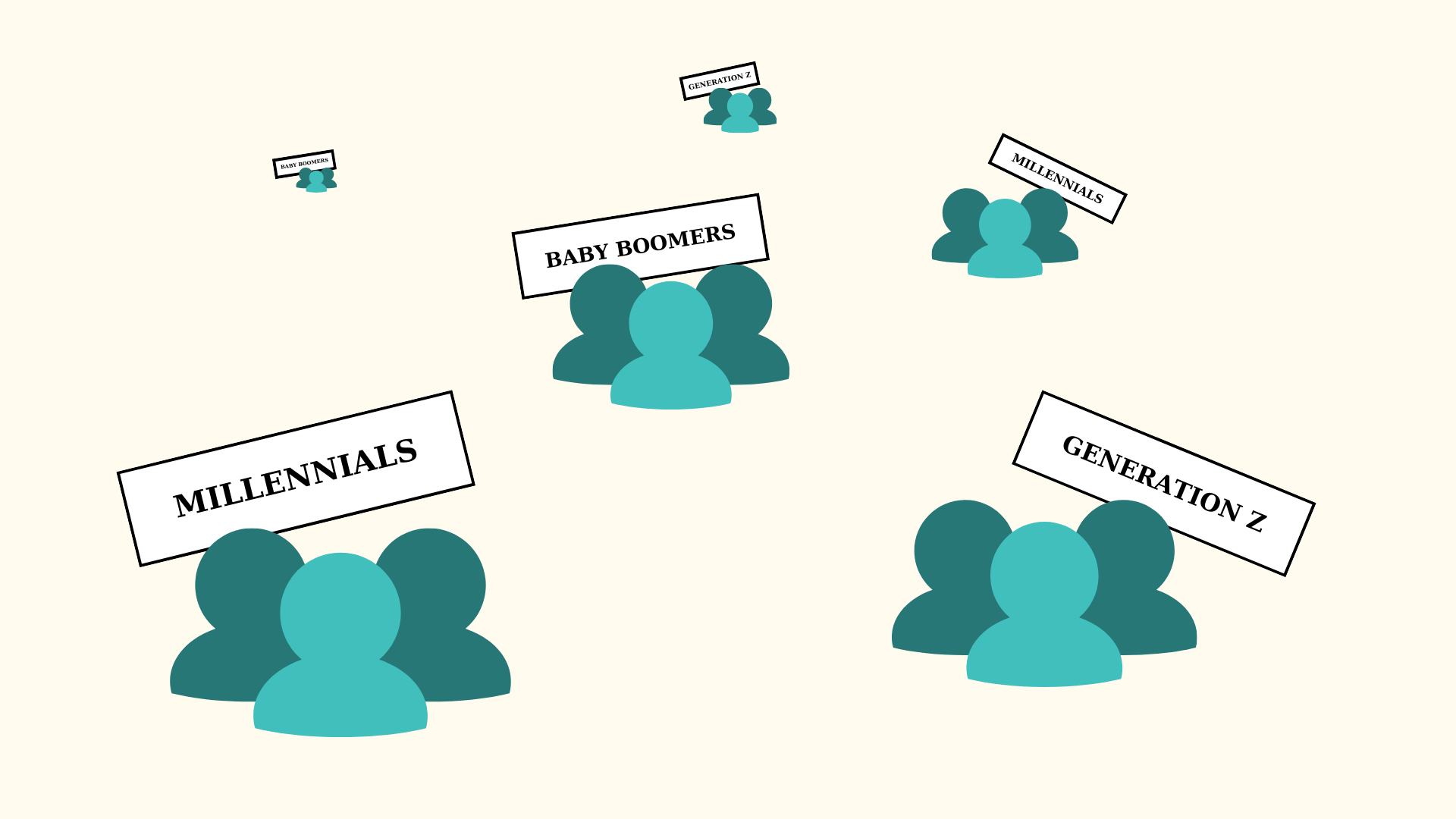
In today’s diverse workforce, five generations work side by side: Traditionalists (2%), Baby Boomers (25%), Generation X (33%), Millennials (35%), and Generation Z (5%). Each generation brings unique skills, expectations, and working styles, contributing to a dynamic, multigenerational environment. While this diversity can present challenges, it also offers a valuable opportunity to cultivate a vibrant and innovative workplace.
Here are five key strategies to take advantage of the generational diversity in your organization:
1. Open Communication: Encourage a culture of dialogue across generations. Create multi-generational teams and projects allowing employees to share insights and learn from each other’s experiences, enhance understanding and, ultimately bridge generational gaps.
2. Tailor Work Styles: Recognize that different generations thrive in varied environments. Baby Boomers may appreciate structured routines, while Millennials and Gen Z often seek flexibility and innovation. Offering hybrid work models can cater to these preferences, boosting overall productivity and satisfaction.
3. Emphasize Learning and Development: Continuous learning benefits everyone. Traditionalists and Baby Boomers may favor formal training sessions, while younger generations often prefer digital learning platforms. Providing diverse learning options can address the needs of all employees and encourage a culture of growth.
4. Celebrate Diversity: Acknowledge the strengths of each generation. Team-building activities and recognition programs can highlight individual contributions, nourishing a sense of belonging and respect, which in turn motivates employees to excel.
5. Leverage Technology: Technology can be an equalizer, but generational differences in tech adoption require support. Embrace tools that appeal to younger employees, while offering training and support for others who may be less familiar with new technology. This approach ensures everyone feels included and empowered.
By implementing these strategies, organizations can bridge generational divides, creating a collaborative, productive workplace that values the contributions of all employees. Harnessing the strengths of a multigenerational workforce not only drives innovation but also cultivates a culture of inclusivity and respect—a powerful combination for long-term success.