👥 A Day in the Life of an HR Team
- 29/05/2025
- 3
- Business Success
Project: Redesigning the onboarding program for new hires
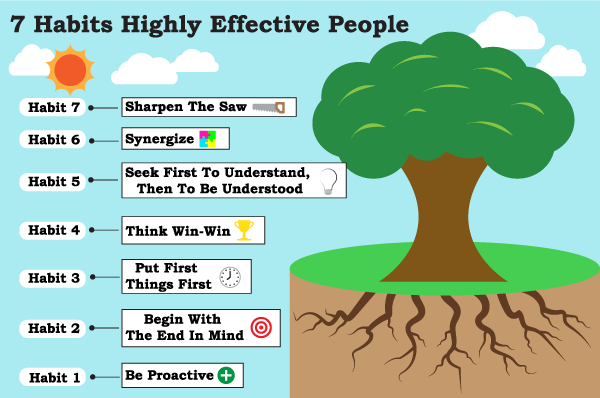
How the 7 habits were applied in practice:
🔹 1. Proactivity:
The HR team didn’t wait for complaints. They noticed new hires were feeling lost and proactively proposed an initiative to improve onboarding.
🔹 2. Beginning with the End in Mind:
They agreed on a clear outcome: “Each new employee should feel safe, informed, and integrated into the team by the end of their first month.” The entire design process was guided by this goal.
🔹 3. First Things First:
Instead of getting bogged down in procedural emails and minor details, they focused on the essentials: content, user experience, and onboarding flow — leaving secondary decisions for later.
🔹 4. Win-Win Thinking:
Rather than “imposing” their views on IT or team leaders, they sought joint solutions that worked for everyone — such as an interactive onboarding tool adaptable to all departments.
🔹 5. First Understand:
Before proposing solutions, they gathered feedback from recently hired employees and team leads. They listened carefully without rushing to act.
🔹 6. Synergy:
They formed a cross-functional team of HR, L&D, and tech specialists. Each brought their ideas to the table, resulting in a modern and effective onboarding experience.
🔹 7. Renewal:
The team met every two weeks for feedback, collaboration, and stress relief. One of their goals was to maintain their own engagement and well-being throughout the project.
💡 What Can We Learn from This?
The 7 Habits aren’t just “soft skills” in theory — they’re daily practices that make a tangible difference in teams, relationships, and outcomes.
If we seek greater cohesion, adaptability, and meaningful collaboration in our organizations, maybe the next step isn’t to buy another tool — but to return to the fundamental principles that make teams truly effective.
📍 Which of the 7 Habits does your team need to strengthen?
📬 Let’s work together to empower HR teams in your organization.